
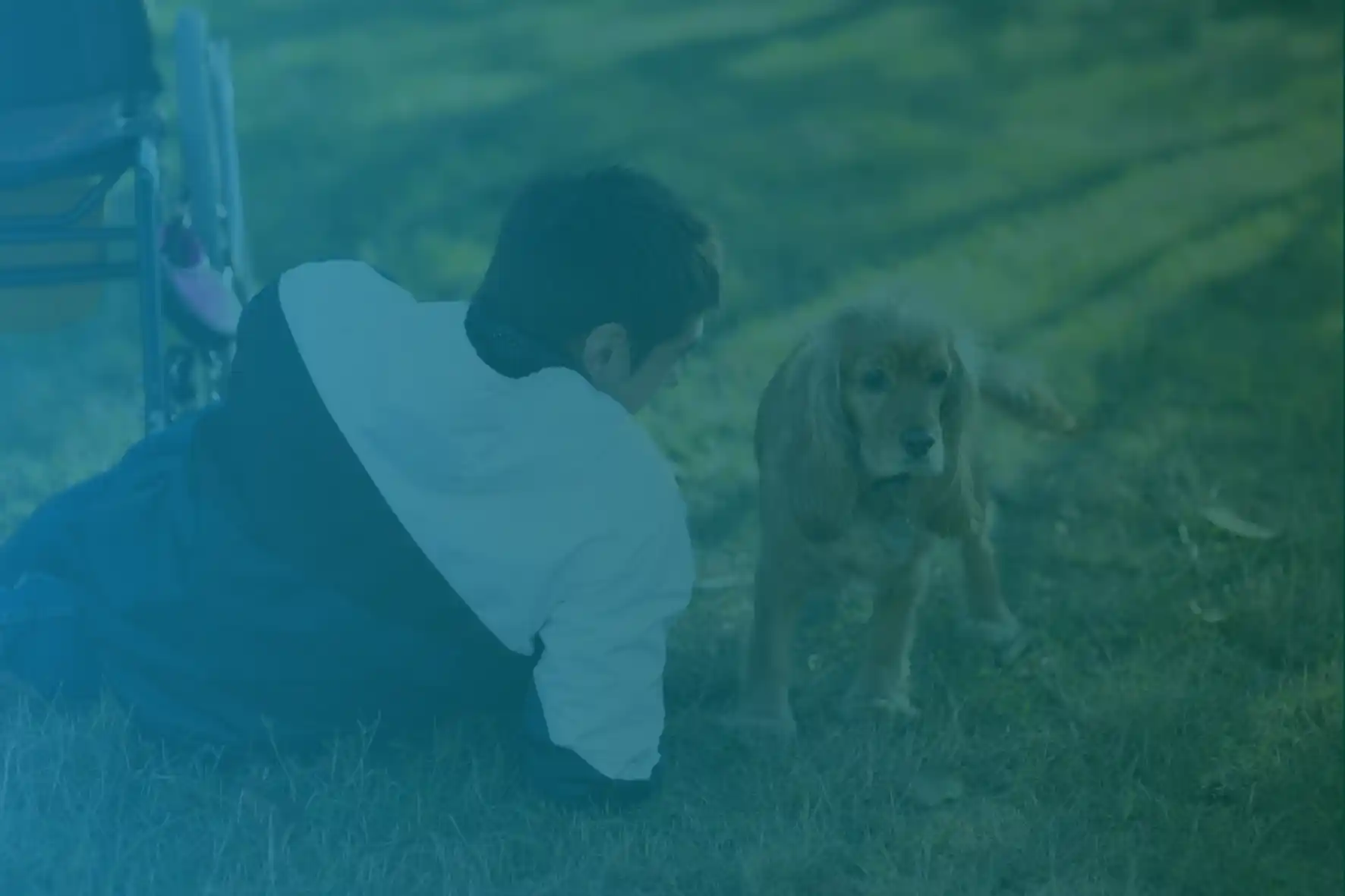
How to Get Over Rehoming a Pet
Saying goodbye to a pet is one of those moments that tugs at the heart, even when it is the right call for everyone involved. If you have recently rehomed a pet, you may be feeling a mix of sadness, guilt, relief, and a quiet house that suddenly feels too quiet. That is a lot to carry, and you are not alone in it.
This guide offers simple, kind ways to ease the sting, make sense of your feelings, and find your footing again.
Key Takeaways
- Feeling sad, guilty, relieved, or all three at once after rehoming a pet is common.
- A study found that many people who gave up a pet described the choice as both emotionally difficult and logically right. Both can be true.
- Grief after rehoming can feel lonely because it is often not talked about, which is why naming your feelings helps.
- Small rituals, familiar routines, and kind self-talk can make the adjustment gentler.
- There is no set timeline for feeling better, so go at your own pace.
- Talking with friends, a support group, or a therapist can lighten the load.
Looking for help from a therapist for either individual sessions or couples therapy? Serenium has 150+ therapists at multiple locations in NJ and online and accepts most insurance. View our therapists and call us at 877-575-7957 to speak with our team, learn more, or schedule your first session
Why Rehoming a Pet Hurts So Much
Pets are not just animals in our homes. They are part of our daily rhythm, our routines, and our family. So when a pet moves on to a new home, it can feel like a real loss, even if you chose it thoughtfully.
People rehome pets for many reasons, including changes in housing, health, finances, or family life. Research on why animals are relinquished shows that the reasons vary widely from person to person. Your situation is your own, and it deserves to be met with understanding.
Common Feelings After Rehoming a Pet
You might notice some of these in the days and weeks that follow:
- Sadness and grief: Missing the cuddles, the tail wags, or the purring on your lap.
- Guilt: Wondering if you could have done something differently.
- Relief: Feeling lighter, then feeling guilty about feeling lighter.
- Worry: Thinking about how your pet is settling in.
- Doubt: Replaying the decision over and over.
All of these are normal human responses to a big change. A study of people who gave up their dogs described grief as part of the experience and found that people moved through it in phases as they adjusted.
Grief That Does Not Get a Casino Night, a Card, or a Casserole
When someone loses a loved one, friends often bring food and flowers. When you rehome a pet, the world may not know you are hurting. Researchers have a name for this kind of unseen heartache. Research on pet owners describes “disenfranchised guilt,” the quiet emotional weight people feel when they believe they have fallen short as a caregiver, often without anyone naming or validating it.
If that sounds familiar, consider this your permission slip to feel what you feel. You do not need anyone’s approval to be sad about saying goodbye to a beloved companion.
Gentle Ways to Cope With Rehoming a Pet
1. Name What You Are Feeling
Try saying it out loud or writing it down: “I miss them,” “I feel guilty,” or “I am relieved and sad.” Putting words to feelings can take some of their power away.
2. Remember Why You Made the Choice
Make a short list of the reasons that led you here. On tough days, it can be a helpful reminder that you weighed things carefully and cared deeply about your pet’s well-being.
3. Stay in Touch If It Feels Right
If the new family is comfortable with it, ask for an occasional photo or update. Seeing your pet settle into a happy routine can bring a lot of comfort. If that feels like too much right now, it is okay to wait.
4. Create a Small Goodbye Ritual
Rituals help our hearts catch up with our circumstances. You might:
- Frame a favorite photo
- Write your pet a thank-you letter
- Donate supplies to a local shelter in their honor
- Plant something small in your garden
5. Be Gentle With Your Routines
Your day may have been built around walks, feedings, or playtime. Fill those moments with something soothing, like a stroll around the block, a favorite podcast, or a cup of tea.
6. Lean on People Who Understand
Chat with a friend who loves animals, join an online community of pet lovers, or simply tell someone, “This has been hard.” Sharing a feeling often makes it feel a little lighter.
7. Look After the Basics
Rest, nourishing food, fresh air, and a bit of movement can support your mood while your heart heals. Small steps count.
When Guilt Feels Heavy
Guilt tends to show up as a loop of “what ifs.” If you notice that loop playing on repeat, try speaking to yourself the way you would speak to a good friend in the same situation. Most likely, you would say they did their best with the information and resources they had.
Sometimes worry and guilt can snowball into feelings of anxiety, like trouble sleeping or a mind that will not quiet down. If that sounds familiar, it may help to talk things through with someone who is trained to listen. Many people find that sharing these feelings with a therapist gives them a safe, judgment-free place to sort through their emotions at their own pace.
Should You Get Another Pet?
There is no rush. Some people feel ready to welcome another animal after a while, and others prefer to wait until their life circumstances change. A good time to consider it is when you feel steady, your living situation supports a pet, and you are choosing out of joy rather than to fill a gap. Taking time to heal first is a perfectly good plan.
A Gentle Reminder
Rehoming a pet is a tender, complicated experience, and your feelings about it make sense. You loved your pet, and that love does not disappear because they now live somewhere else. Be patient with yourself, celebrate the good memories, and give your heart the time it needs.
Looking for help from a therapist for either individual sessions or couples therapy? Serenium has 150+ therapists at multiple locations in NJ and online and accepts most insurance. View our therapists and call us at 877-575-7957 to speak with our team, learn more, or schedule your first session
Frequently Asked Questions
Is it normal to feel guilty after rehoming a pet?
Yes, guilt is a common feeling after rehoming a pet. It often shows up because you care so much. Reminding yourself of the reasons behind your decision and talking with someone you trust can help the feeling soften over time.
How long does it take to get over rehoming a pet?
There is no set timeline. Some people feel better in a few weeks, while others need several months. Grief and adjustment look different for everyone, so go at the pace that feels right for you.
Is it okay to feel relieved after rehoming a pet?
Yes. Relief and sadness can sit side by side. Feeling relieved does not mean you cared less. It often means a stressful situation has eased.
Can I stay in touch with my pet after rehoming?
It depends on the new family. Many adopters are happy to share updates and photos, especially when you ask kindly. If staying in touch feels too painful at first, you can wait until you are ready.
How do I cope with missing my pet after rehoming?
Try small rituals like framing a photo, writing a goodbye letter, or donating to a shelter. Lean on supportive friends, keep your daily routines gentle, and give yourself permission to miss them.
Was rehoming my pet the right decision?
Only you know the full picture of your situation. If you weighed your options and chose what seemed best for you and your pet, that reflects care. If doubts keep circling, talking them through with a trusted friend or a professional can bring clarity.

THINK healthier. FEEL better. DO more that resonates with you.
Learn how your mind works.
Loading form...


